Two of Swords
Two of Swords says no — you are in a stalemate. A decision must be made before things can move.
Upright Meaning
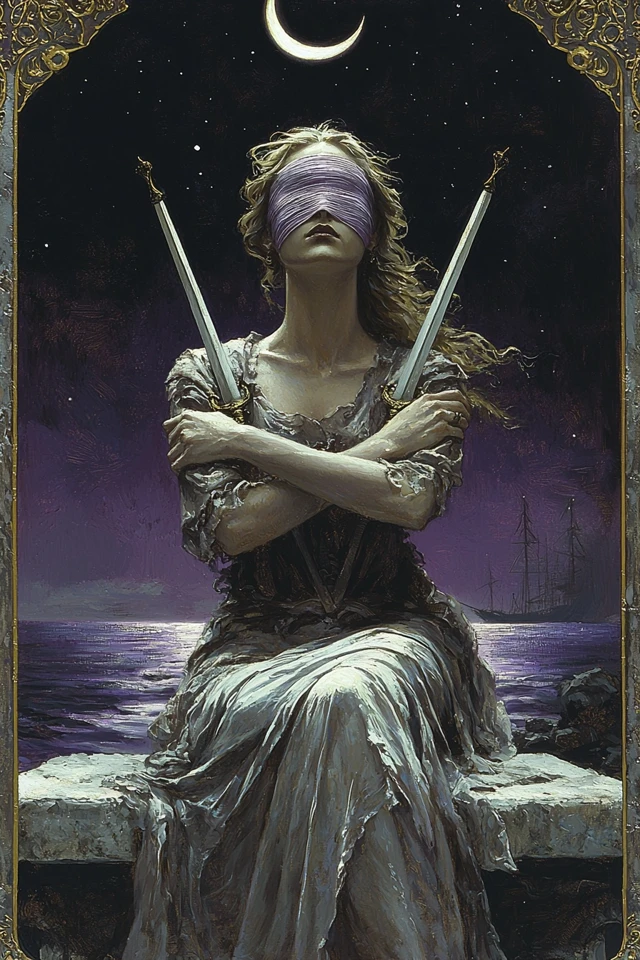
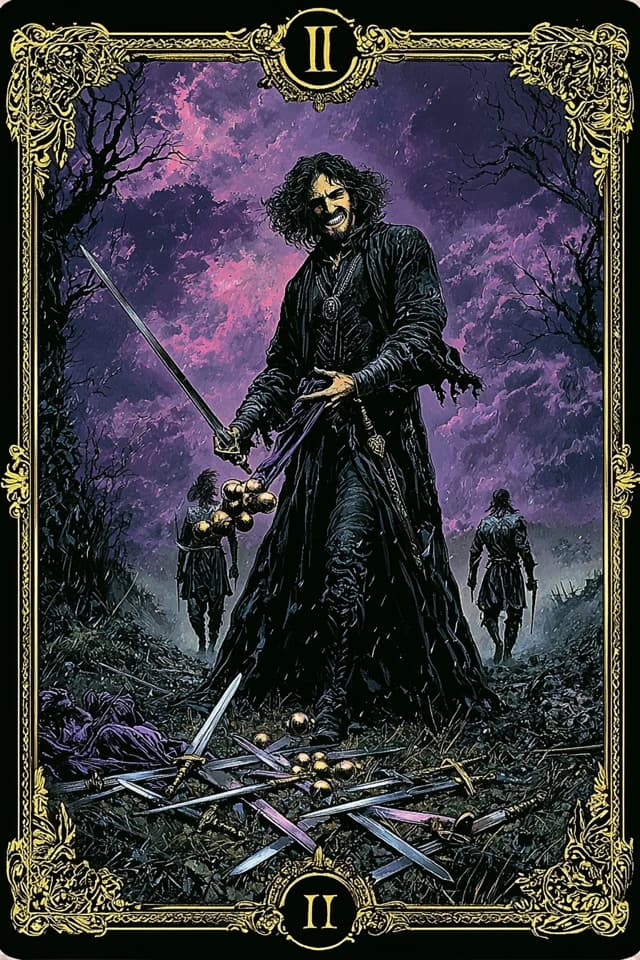
The Two of Swords shows you blindfolded at a crossroads, avoiding a difficult but necessary decision. The stalemate will not resolve itself. Take off the blindfold, face the truth, and make the choice.
The Two of Swords captures the particular discomfort of a decision that cannot be made from logic alone — or, equally, one that cannot be made without it. The blindfolded figure sits in deliberate balance, sword in each hand, unable or unwilling to look. This is not laziness or cowardice but a genuine stalemate in which two equally weighted options, two conflicting truths, or two competing loyalties hold each other in suspension. There is often a quality of self-protection in this card: the blindfold suggests that some part of you knows that to look clearly at the situation will require you to act, and you are not yet ready. The Two of Swords also appears when you are mediating between opposing forces — two people in conflict, or two parts of yourself that want incompatible things. The card does not rush you, but it does suggest that remaining in stalemate has its own costs, and the information you need to move forward may already be available if you are willing to look.
Reversed Meaning
Full Reversed Page →The indecision is breaking. You are gaining the clarity and courage to finally make the move.
Reversed, the Two of Swords suggests the stalemate is breaking — though not always gracefully. The blindfold is coming off, and what is revealed may be uncomfortable. This can indicate that information previously withheld or avoided is now coming to light, forcing a decision that was long postponed. It can also signal that the paralysis has tipped into anxiety: rather than a still, considered suspension, there is now an agitated spinning of options without resolution. Occasionally the reversal points to a choice made under pressure or with insufficient information — a decision that feels necessary but is not yet fully considered. The invitation is to acknowledge what you already know, accept that no option is without risk, and take a step rather than continuing to circle.
Avoiding a difficult conversation or refusing to see the relationship clearly.
A decision must be made between two paths or options. Avoid indefinite delay.
Resisting a spiritual truth that requires you to change. The blindfold is self-imposed.
Two of Swords in Love — Full Meaning
The Two of Swords in love is the held breath of indecision. You are sitting between two options — stay or go, speak or stay silent, choose this person or hold out for someone else — and you have managed, through real effort, to avoid choosing. The blindfold is the giveaway. You have stopped looking at the situation directly because looking would require you to act on what you saw. So the scales stay balanced, the swords stay crossed, and nothing moves.
There is often a relational version of this where two people are both unwilling to make the first move. One of you is waiting for the other to bring up the difficult subject, define the relationship, or break the tension that has been quietly building. The Two of Swords describes that exact standoff. It is not malicious — neither of you is trying to hurt the other — but the stillness has its own cost. Connection cannot deepen while everyone is hovering politely at the threshold.
The growth edge here is the willingness to look. Take the blindfold off, even just in private. Ask yourself the question you have been refusing to ask: which way does your heart actually lean when you stop performing fairness? You usually know. Underneath the careful weighing there is a quiet preference, and your job is to admit it to yourself before it can become a real choice in the world. The card does not demand a dramatic decision in the next hour, only an honest look. Once you can see, the path forward almost always becomes walkable. The blindfold was the obstacle. The choice itself is often smaller than the avoiding of it.
In relationships, the reversed Two of Swords often indicates that a difficult conversation can no longer be postponed. What has been kept at careful arm's length — a feeling, a conflict, a truth about the relationship — is pressing for acknowledgement. There may be a tendency for one or both people to remain emotionally guarded as a form of self-protection. The reversal asks: what would become possible if you let the swords down and allowed yourself to see clearly?
At work, this reversal suggests a professional impasse is finally shifting — but perhaps not in the direction you had hoped or expected. A decision is being made for you if you won't make it yourself. Alternatively, information you lacked is now available and requires you to rethink a plan. This is an opportunity, even if it doesn't feel like one: clarity, however unwelcome, is more workable than perpetual indecision.
Spiritually, the reversed Two of Swords speaks to the moment when the avoidance of inner truth becomes unsustainable. The stillness you have been maintaining through carefully managed not-knowing has reached its limit. Something in your inner landscape is asking to be seen directly. Contemplative practice can help here — not to escape the discomfort but to sit with it long enough for genuine insight to emerge.
Frequently Asked Questions
The Two of Swords represents a state of mental impasse — a moment when two competing options, loyalties, or truths hold each other in balance, making it impossible to move forward easily. The classic image of a blindfolded figure holding two crossed swords speaks to deliberate avoidance: the refusal or inability to look at a situation directly, often because doing so would require action. It is a card of difficult decisions, stalemates, and the particular stress of not-knowing. It does not represent permanent paralysis, but a liminal state that requires patience, self-honesty, and eventually the courage to choose.
Not directly, though deception — including self-deception — can be part of its territory. The blindfold in the traditional image more often refers to wilful avoidance of truth rather than active dishonesty: someone who prefers not to look too closely because looking would demand a response. In a reading about another person, the Two of Swords might suggest they are withholding information or are themselves in a state of confusion rather than deliberate deceit. The card is better read as a signal that full information is not yet on the table, whatever the reason, and that clarity will require more than is currently visible.
In a relationship reading, the Two of Swords often signals a standoff: two people at an impasse, perhaps each holding their position without genuine communication, or a relationship that exists in an undefined middle ground — neither fully committed nor fully ended. It can represent a period of deliberate emotional distance as a form of self-protection, or a difficult conversation that both parties know needs to happen but keep deferring. The card is not inherently negative; sometimes a pause is necessary. But it does suggest that the current equilibrium is temporary and that resolution requires one or both people to lower their guard and look honestly at what is there.
It points to a stalemate — either inside you or between you and someone else. A decision is hovering and is being deferred, usually because making it feels too costly. You may be balancing two possible relationships, holding back from defining the one you are in, or waiting silently for the other person to move first. The card honours how hard the choice is, but it also notes that the suspension has its own price. Connection cannot grow while everyone is refusing to look. Be willing to take the blindfold off, even just in your own private thinking.
Not directly. It is more of a pause than a yes or a no — a card about not-yet-deciding rather than about the outcome of the decision. For a yes-or-no question, the Two of Swords usually means the answer is being avoided rather than absent. If you have asked the cards whether to stay, leave, commit, or speak, this card invites you to admit that you already half-know and have been postponing the responsibility of acting on it. The honest yes or no is available; you just have to be willing to see it.
Early connections under this card often plateau at a careful, cordial distance. Both of you may be uncertain whether to invest, and rather than name the uncertainty, you politely keep things light. Nothing breaks, but nothing deepens either. The card invites the slightly braver conversation about where each of you stands and what you are actually looking for. Even a small honest exchange usually shifts the dynamic. If you would rather not have that conversation, ask yourself why; the answer often tells you more about the connection than the conversation itself would have.
Their feelings are likely real but held in suspension. They have not allowed themselves to fully look at what they feel, often because doing so would require them to act, and acting feels too risky right now. This is not the same as indifference; it is more like a careful refusal to commit even internally. They may be weighing you against another option, against their fear, or against a version of life they are not ready to let go of. Do not interpret the stillness as your answer. Ask, gently and directly, and let them practise honesty.
Often appears with
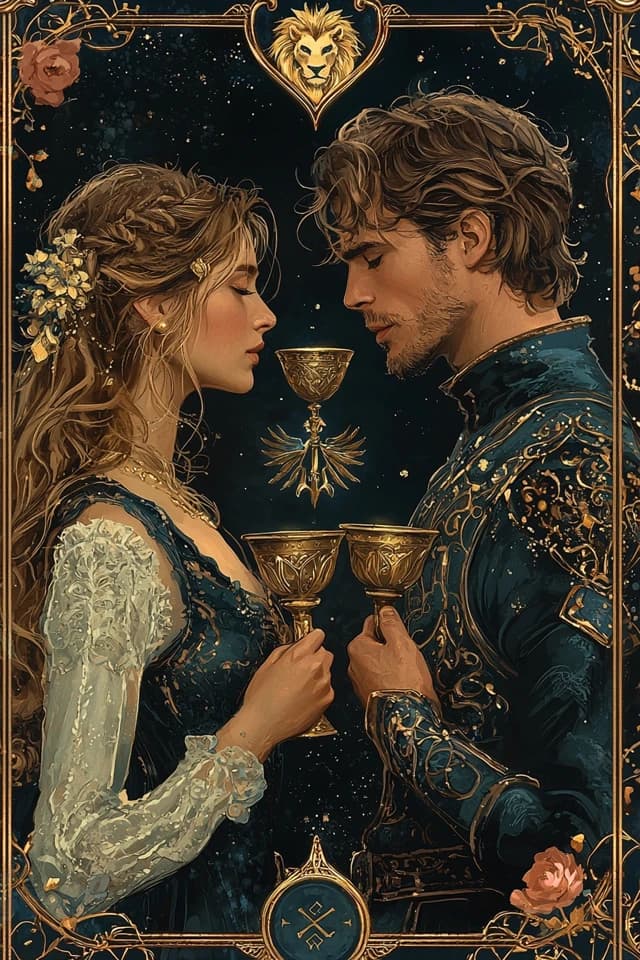
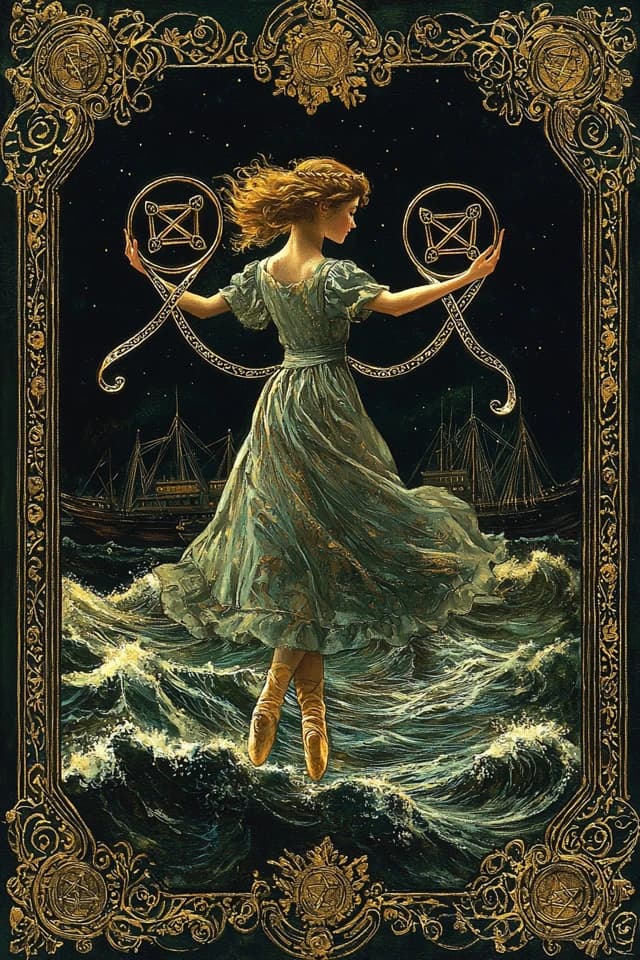
Other 2s — the same number, a different suit
Same element — Air
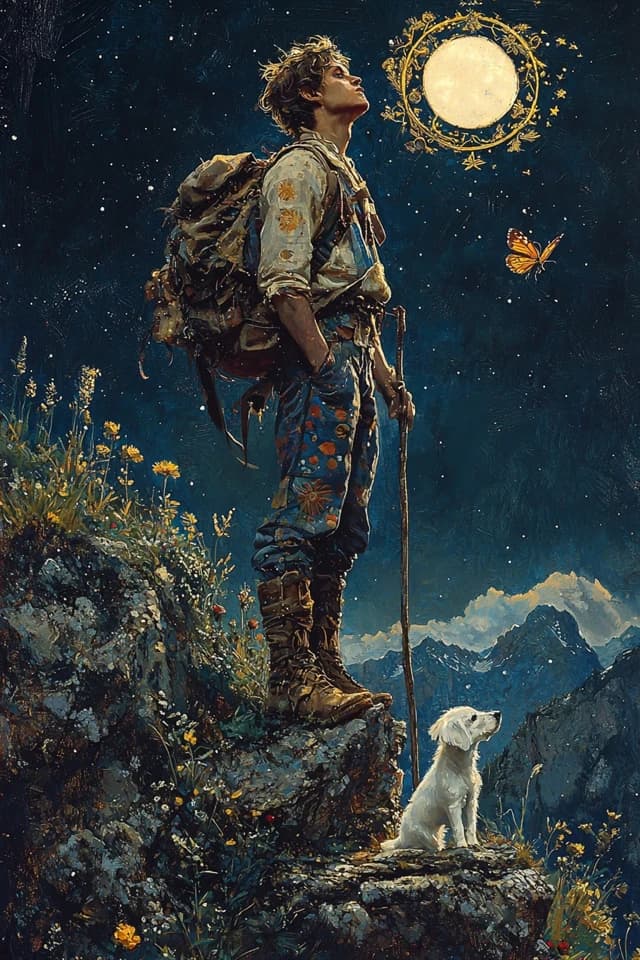
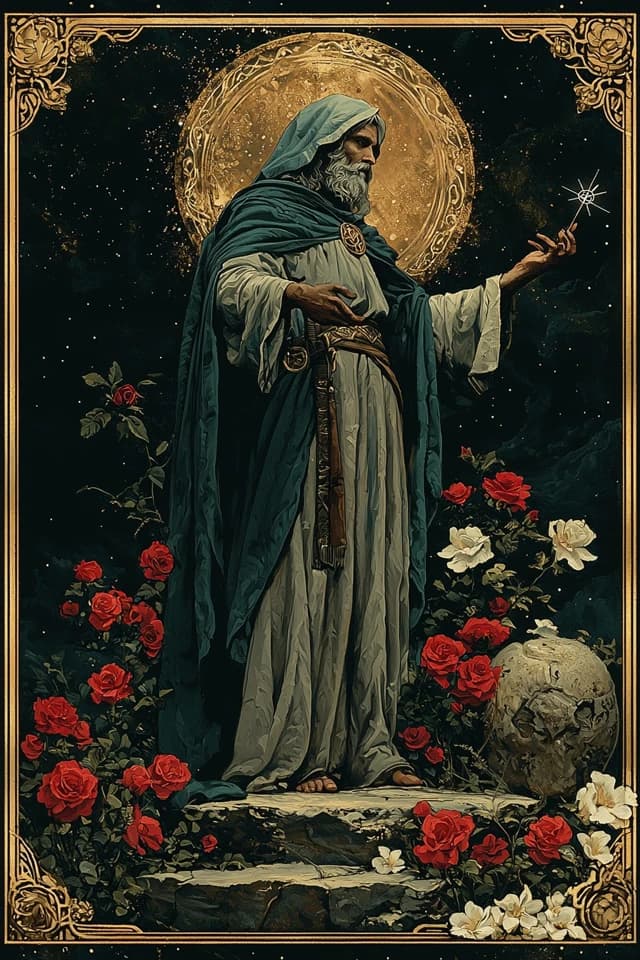

More from the Swords
Popular Combinations with Two of Swords
See how Two of Swords interacts with other major arcana cards in a reading.